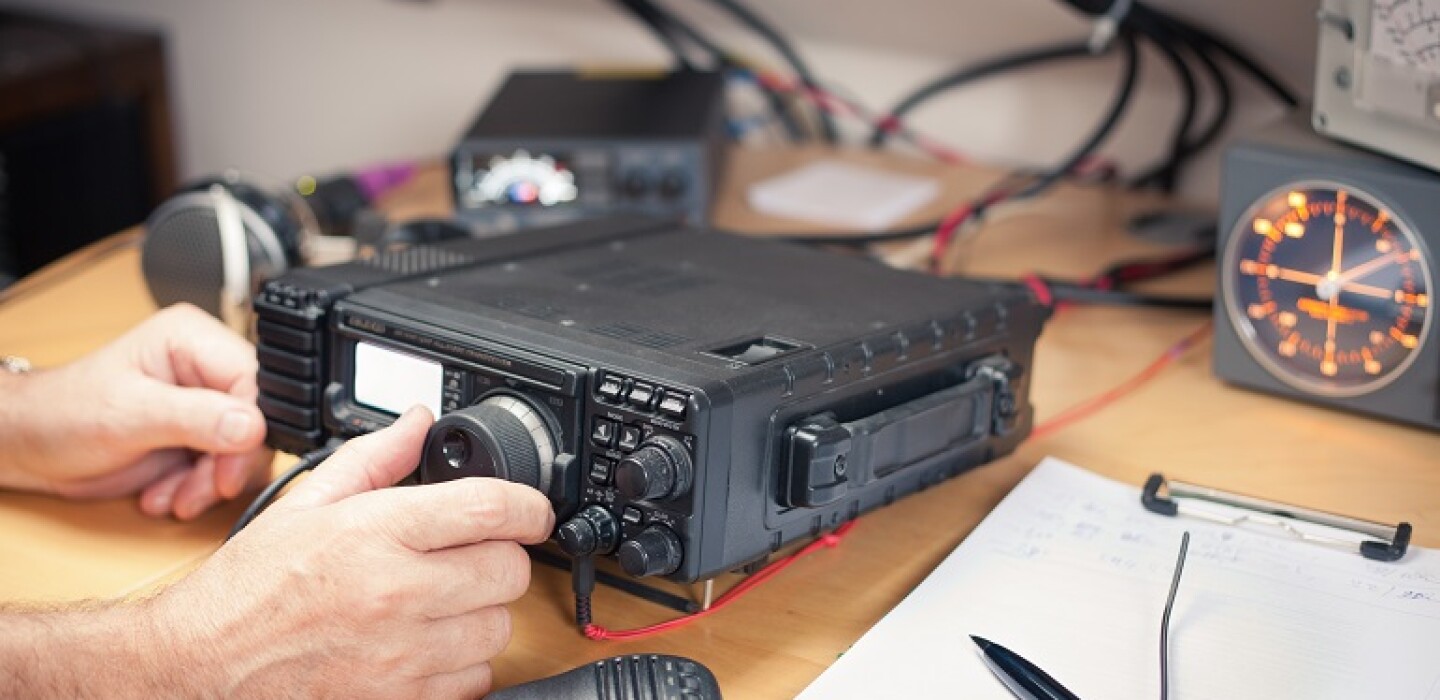
The power went out, so you initiated your plan. This involved turning on your radio, and you haven’t heard anything at all. That’s OK, though, because yuor group’s standing comms plan doesn’t call for a comms network check until the second evening. The time rolls around for you local network and you try to check in but….dead air. You get out a second radio and confirm that you are indeed transmitting. No contact.
There is Tactical Wisdom from the Bible that tells we need to reach our friends:
Two are better than one,
because they have a good return for their labor
Ecclesiates 4:9
No worries, though, because you’re sure it’s just because of normalcy bias. Everyone must have forgot. You wait until next night’s net check-in and…..nothing. Not a word. You know the radio is working, because earlier in the day, while scanning, you talked to a guy a few blocks over via radio.

The tenedencty is to just believe it’s an oversight for days and days, but you may be delaying critical actions, like LEAVING, because of a comms failure. This is where a “No Comms” plan comes into play.
A “No Comms” plan is an automatic response when comms contact has been made in a 72 to 96 hour (3-4 day) period. For example, it might be that if no contact is made, you should initiate movement to a meeting or rally point to make face-to-face contact. It may be to initiate movement to a bug out location.
Remember, if you leave too early and you didn’t need to bug out you can always come back. The opposite is NOT true. If you wait too long to leave you might never get out. Always have a bias towards movement to avoid conflict or danger. Moving is better than sitting still in a crisis.

You can prevent the need to use this plan by training and practicing with your equipment. Running weekly or bi-weekly preparedness nets is a good way to make sure that everyone’s equipment works and can reach at least one other group member. After running these nets, they only have value if there is reporting and follow up to fix issues. If Bob can never be heard, make sure he gets a new antenna or picks a better location to make contact from.
While we’re on the topic, everyone in your group should be working from the same radio programming file. It’s a lot more secure to tell someone over the air to “switch to 8-7 on your radio” than to say “switch to 462.575”.
The plan doesn’t always have to be grand, either. It can be as simple as “check the parking lot of the local Kroger at 4:30 PM each day”. Have some way to re-establish contact and communications with a bias towards face-to-face communications.

If, instead of dead air, you repeatedly met with active jamming or heavy static (active jamming by nation-states), MOVEMENT should be the automatic response. Active Jamming across HF/VHF/UHF almost always precedes hostile action. We saw this just before the Russians crossed over into Ukraine, and active jamming/GPS spoofing is always reported just before Israel makes contact with Hamas or Hezbollah. Always understand this.
The Taliban understood it and when they detected either static or encrypted comms (which sound like static), they immediately packed up and left wherever they were within 1 minute. Learn from other conflicts.
Develop and train on some type of “No Comms” plan, the sooner the better.
There are still a couple seats left in next weekend’s Community Security Operations course in NC, and the NC Fieldcraft class next month. Check out the training page.

Donation – August 2024
Donation to site.
$5.00
 Tactical Wisdom
People severely underestimate the value of an in dept communications plan, and regular practice. You bring up an excellent point that there needs to be a no contact contingency to your plan as well.
LikeLiked by 1 person