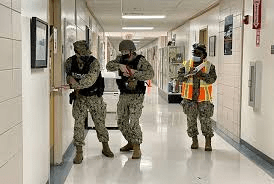
We live in chaotic and tense times. They aren’t getting any better. We are seeing an increase in terror attacks, active shooters, and mass casualty events. It’s one thing to prepare for things at home, but what about when you are caught at the scene of a major event?
Common sense would tell most of us in preparedness to jump in our vehicles and drive away. The honest truth is that I am not built that way. I CANNOT leave others at the mercy of evil if I have the skills and ability to help. In fact, the Ultimate Tactical Handbook (the Bible) commands us not to:
Rescue those being led away to death;
hold back those staggering toward slaughter.
Proverbs 24:11
I’m not saying you have to wade in like John Wayne, but if you are an armed & prepared citizen outside a mall being attacked by an active shooter, you very well can create and hold a safe zone for people fleeing. You can hold and defend a door to let others escape. You can set up and defend an aid station for the injured.

You can do these in less extreme situations, too. In a major accident, you can assist with the less injured, freeing up the medics to deal with more serious injuries. Once, Alison and I stopped at an accident with a lot of injured folks. I was applying pressure to a femoral bleed and the first officer on the scene ran over, looked at what I was doing and said “can you hold that down until the second ambulance gets here?”. Yep, that’s why I stopped.
We’ve discussed a general vehicle kit and general first aid kit before, but in here we’re going to discuss some of the additional gear for an Active Response Kit. I’m going to do something I don’t normally do, we’re going to talk some firearm stuff, because it’s relevant to the discussion. I know, some guys say “I don’t want to play soldier”. I get it, I don’t either, but if evil decides to play soldier with you, you had better be abe to respond in that arena. The other option is just die without opposing their violence. That’s silly.

At this point, people say “that’s what the police and fire department are for”. Not really, you are responsible for your safety. Also, where I live, the first police officer will arrive between one and two hours after the call. Not everyone lives in a big city. Besides, in an active shooter, the first officers are told to ignore everything except the shooter (even the wounded), so you will be on your own.
Burt let’s start with general emergency gear, first. I always keep a fire extinguisher in my car, and it should be part of your vehicle kit as well. The California widlfires have made me start carrying a fire blanket as well. You can use one to escape a fire or you can toss it on a small fire (like a just started vehicle fire or grass fire) and put it out. They’re relatively inexpensive. I also keep in my car a throwable fire extinguisher. It’s a grenade shaped thing you throw at a fire, it bursts open and allegedly extinguishes the fire.
After the car accident a few days ago, I’ve built and started carrying a multi-casualty first aid kit. It fits in a larger bag with a shoulder strap so that I can carry it to the injured. It’s stocked with several trauma dressings in 3 and 4 inch sizes (thanks BattlBox for the resupply), a good number of abominal pads (make great dressings), 3 pairs of chest seals, several packages of Z-fold gauze, several packages of hemostatic agent, and lots of triangular bandages and rolled gauze. It also holds 3 different sizes of SAM Splints – too many people neglect splints. Something else I recently added (bought at BattlBox) is a large wound dressing. It’s meant for IED victims, but can be used on any major trauma. It folds up very compact, but could be a life saver. Burn dressings are another neglected item. Larger bottles of hydrogen peroxide are in the bag as well, with spray caps. There are no band-aids or other boo-boo kit items in here because in a mass casualty event I wouldn’t be treating those small injuries at all, they can wait.

Personal protection gear is next. Obviously, first is gloves. No matter the situation, gloves are your friend. There will be bodily fluids, chemicals, and broken glass in any trauma or active violence situation, so glove up. If there are train tracks anywhere you might be, having some type of filter mask is a good idea – thanks again to my BattlBox membership, I have the PD-101 mask. Read the specs before buying one. In my backpack, I keep the Premier Body Armor bulletproof laptop case, even when there is no laptop in it, because it provides ballistic protection when I put on my backpack. You can also buy packpack inserts now that are bulletproof. You may also choose to carry a plate carrier or soft armor with you to put on in the event of an active violence event. Keep in mind though that lots of normies are scared of people with body armor, so don’t advertise.
Before we cover firearms, let me share a statistic. When the police stop the active shooter, there are an average of 14 deaths. When an armed citizen stops the active shooter the average is 2 deaths. Think about that. The reason is that the armed citizen was already on scene. If you could save 12 people, isn’t it worth trying?
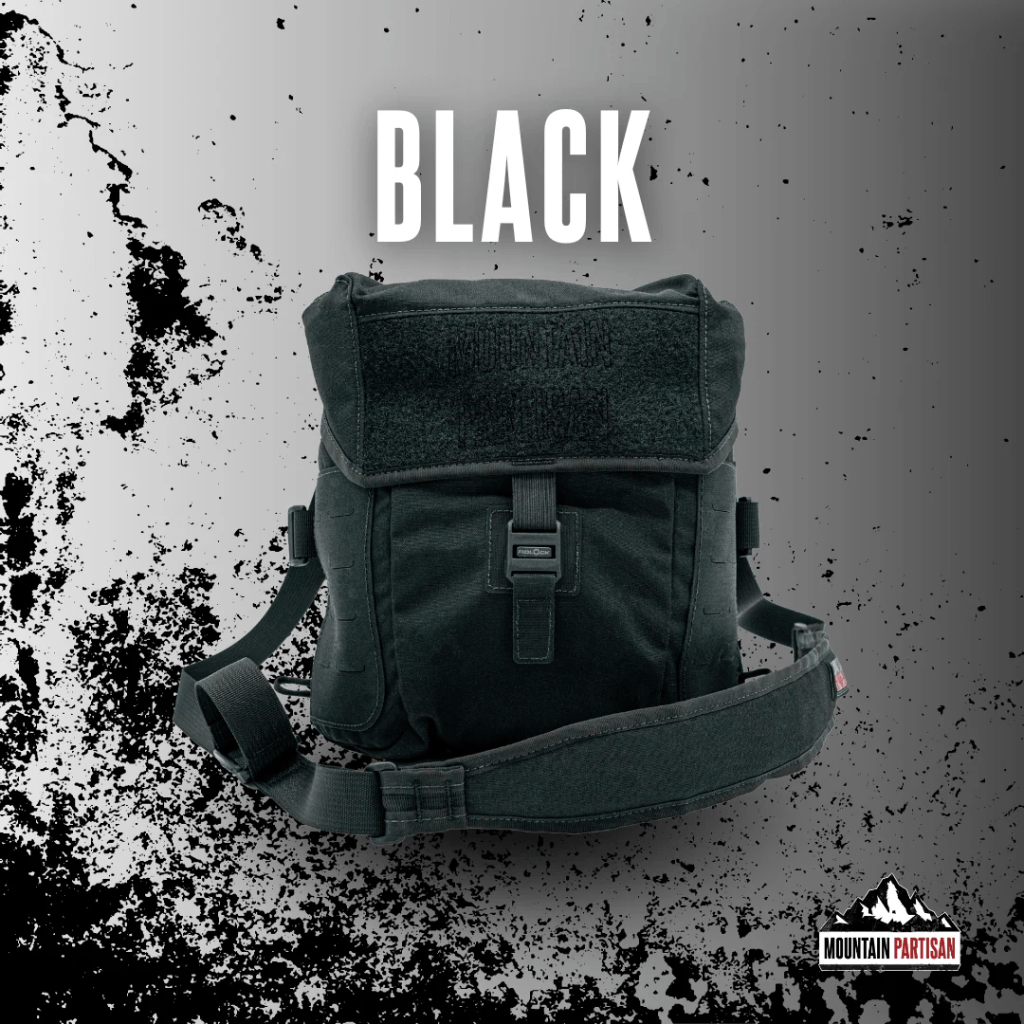
Defensive firearms are a personal choice and some folks choose to just carry a pistol, others keep a “truck gun”. Know your local laws here. If you only carry a pistol, keep a number of extra magazines somewhere in your vehicle. Most people underestimate ammunition expenditure in actual combat. It’s one thing to hit a stationary paper target, it’s quite another when the target is moving and shooting back. If you carry a “truck gun”, carry either a chest rig with a few mags or a bandoleer with a few mags (or, for the ultimate in preparedness, both). Make sure these are hidden from view on a daily basis. Consider using something other than a traditional gun case. Storage totes are a very stealthy storage option, but again check your laws first. Store guns in the case with the sling facing up. That way, you can just grab the sling and put it over your head, and you’re ready to go. I know, it doesn’t look as cool on Instagram, but we’re about readiness here.
If you are going to ever be armed in an active violence situation, understand that there have been several tragedies of armed citizens and even plainclothes officers getting shot by responding law enforcement. Many will say that’s why you shouldn’t get involved or that civilian responders are the problem, but the actual problem is law enforcement officers not getting positive ID on their targets, just shooting the first armed person they see. Contrary to the opinions of the “experts” on Twitter, police aren’t trained to just shoot every armed person at the scene, because detectives might respond, federal agents might respond, or off duty officers might. Your best defense here is “GOOD GUY” identifiers. One GOOD GUY indentifier is that you are in an obvious DEFENSIVE posture, protecting a few people in one location and not pointing a weapon at anyone in particular. A bright reflective safety vest is a good idea. I have a jacket that I was issued once somewhere that says in giant reflective letters “EXECUTIVE PROTECTION AGENT”. More importantly, look around and LISTEN. If an officer challenges you, immediately drop the weapon and comply. You can explain later.
Aside from all this, I carry a large amount of water everywhere. I have at a minimum 4 2-quart canteens of water in the back of my SUV at all times. When someone is injured or stressed, a simple drink of water can go a long way to stabilizing their mind. Energy bars are a good idea as well. I also keep a little chocolate stashed. It can stop kids from crying (which may be a tactical need) or, more often, stop a diabetic reaction in its tracks.
To recap, give some thought as to what you can put together to help not just you survive an active violence situation, but how you can be an asset to help others survive. We’re not asking you to go and fight the bad guy (although that’s NOT as bad an idea as some claim), we are asking you to help defend others when you are prepared to and they might not be.
I hope this gave you some ideas. In this same vein, I’ll be doing a livestream on 2/7/2025 over at tacticalwisdom.locals.com for supporters on what a modern “Bleeding Kansas” might look like and how you can prepare.
If you like this content, sign up as a monthly supporter at tacticalwisdom.locals.com or make a donation below.

Donation – January 2025
Donation to support site.
$5.00
 Tactical Wisdom
While it is commendable to provide energy bars and drinks to victims, if the injury is serious enough, chances of surgery are elevated, so having a full stomach is not a good idea for safety reasons, so avoid the solid food and dairy items. Clear fluids are adequate and is a safer choice.
LikeLike