I know we all love our T-CCC classes and the coolest of the cool-guy tactical medical classes, but can we talk a little about realistic training for what you are really going to face? Sure, gunshot wounds and explosive trauma are a part of it, but to be fair, it is a VERY small part of the medical skills you actually need. In this we are going to talk about the bare minimum I feel we all need. As always, let’s remember that basic first aid was lauded by Jesus in the Good Samaritan story:
He went to him and bound up his wounds, pouring on oil and wine. Then he set him on his own animal and brought him to an inn and took care of him.
Luke 10:34
That’s right, first aid and patient evacuation.
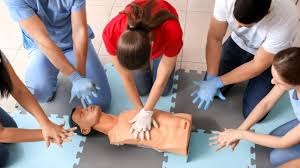
I recommend everyone start with a CPR/AED Course as well as a Stop The Bleed Course. With these, you will have covered the immediate threats to life. These courses are offered all over the US nearly every day at no to minimal cost. There is literally no reason to not take these. In fact, most employers will cover the cost of this. These, however, should not be the end of your training.
Yes, I think TCCC is a great program and I know some fantastic instructors in it (Stuck Pig Medical and Doc Teddy Bear), but let’s a take a quick poll. If you’ve ever fallen down, raise you hand. If you’ve ever been in a gunfight, leave your hand up. As most of you put your hands DOWN, wouldn’t it then make sense to invest more training time on injuries related to falling down than on gunshot wounds?
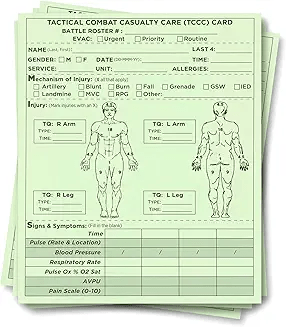
On that note, stop training on doing 9-Line Medevac requests. Seriously. Unless you are in the US military or a security contractor working with US armed forces medical aircraft, just stop it. If you call in a 9 line to LifeFlight, they’re going to interrupt you and ask for the information they need. I do, however, ALWAYS carry TCCC cards with me, made by RITR (see above). If I come across a major traffic accident with multiple injured people, I can start triage and treatment, write what I’ve found and done on the cards, and leave them on the injured people. That way, the first responders can glance at the card and know where we are with each patient. You need that for your mutual aid group in the spicy times as well.
Take a FULL first aid course. Again, these are offered all over the country, all the time, at minimal or no cost. Learning to splint a leg or arm, or fashion a sling from a triangular bandage are skills you’ll use far more than a tourniquet. Learning to stabilize joints with bandages is a life-saving skill. Think about this: You spent all you training and gear budget for first aid on TCCC and emergency trauma dressings. One day 3 of The Collapse (TM), you fall and break your ankle. You have no splint and even less of an idea on how to wrap an ankle. You’re going to become a loot drop, bro. Stop carrying a needle for decompression because you saw Three Kings once and start carrying a SAM Splint.
Check with the local Red Cross or American Heart Association for classes. Local community colleges and fire departments are another great source. Be careful of relying on online training. There is no substitute for hands on training to make sure you have learned the skill correctly. There are no YouTube EMT certifications.

As illness and diseases will be a problem as well, consider learning holistic health or natural healing. All modern drugs began as holistic cures or folk medicine. Events like the Sovereign Health Summit can help (save %5 with code WISDOM5). Herbal remedies and medicinal plants are real and you should invest the time learning them. We will have some folks teaching this at the various Mountain Readiness events (code WISDOM5 works there too).
Here locally, there are free pet first aid classes, as well as free classes on freeing dogs from traps and snares. These are great skills to master.
Someone recently asked me about expiration dates on chest seals. That refers ONLY to the last date that the manufacturer will certify that the adhesive will work. You can still use the chest seal, you just might have to tape it down. I don’t throw those out. I move them to my long term storage first aid supplies and always carry one within the date so that I don’t have to think about it. I store the out-dated ones with a roll of medical tape to remind myself that I *MIGHT* have to use tape. Remember, when it comes to saving a life, use whatever you have on hand.
For real folk medicine, research the backstory of Salisbury Steak. You might find it surprisingly helpful.

Don’t overlook training for dental emergencies. If you take care of preventing dental disease, you prevent a whole host of other ailments.
After learning basic first aid, consider taking a wilderness first aid course. They a bit more involved, but they focus on care in an austere environment and patient evacuation from the backcountry – skills we might need in the times ahead. While there is no national program or certification, it’s a good skill to know.
Treating bites and stings of insects and other creatures is another area you’ll need some training in. Understanding the issues in a grid-down scenario and being realistic about treatment options in a post-hospital world will be important.
Focus on learning about envirnomental injuries, their treatments, and their prevention. It is way easier to prevent these injuries than to treat them. Understanding the symptoms and causes can get you to treat these things while they are still minor, rather than jsut “toughing it out” and then having to treat a serious heat or cold injury.
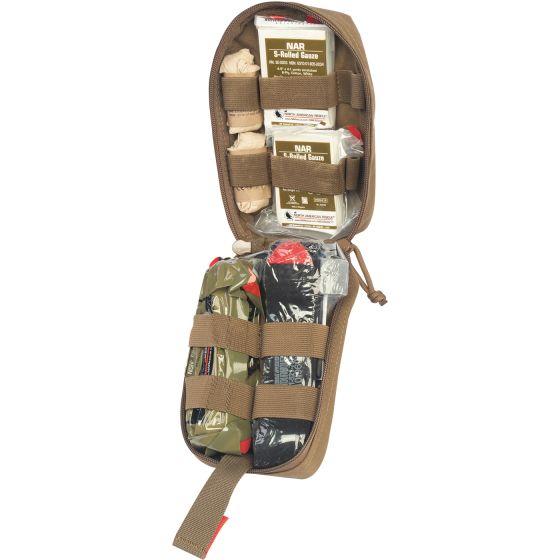
Let me end on this important note. First aid skills are the preparedness skills you might need TODAY. Once you get trained, carry all the equipment you know how to use EVERY DAY. You don’t know what you might find.
Get trained, carry the gear.
Camp Ponderosa Wish List: https://www.amazon.com/hz/wishlist/ls/1038N8GYHRWX8?ref_=wl_share
Tactical Wisdom List for Reviews: https://www.amazon.com/hz/wishlist/ls/225D7XIZ8R8LO?ref_=wl_share

If you like this content and would like to support my work, make a donation below or become a monthly supporter at tacticalwisdom.locals.com.
 Tactical Wisdom
Good stuff brother.
Not to pile on but I am currently enrolled in an EMR course and of the 27 chapters we are covering, only one is what I would call “directly trauma related” in a TCCC sense.
Most of the content mirrors what you mentioned in this article.
LikeLike
I always try to prepare for more difficult times than I can even imagine!
LikeLike